
Ozone Library
Alternative Disinfectants and Oxidants Guidance Manual
Ozone is increasingly being evaluated by public water systems as a primary disinfectant and oxidant in drinking water treatment due to its ability to achieve effective pathogen inactivation while minimizing the formation of regulated disinfection byproducts (DBPs) commonly associated with chlorination.
Under the U.S. Environmental Protection Agency’s (EPA) Microbial and Disinfection Byproducts (M-DBP) regulatory framework—including the Stage 1 Disinfectants and Disinfection Byproducts Rule (DBPR) and the Interim Enhanced Surface Water Treatment Rule (IESWTR)—utilities are required to maintain microbial protection while limiting the concentration of byproducts such as trihalomethanes (THMs) and haloacetic acids (HAA5). These requirements have driven interest in strong oxidants like ozone that can improve disinfection performance without producing halogenated organic DBPs during primary treatment.
Ozone is a powerful oxidizing agent capable of inactivating bacteria, viruses, and chlorine-resistant protozoa such as Cryptosporidium. In addition to primary disinfection, ozonation can be used to oxidize iron and manganese, reduce taste and odor compounds, degrade natural organic matter (NOM), and improve downstream coagulation and biological filtration performance. By oxidizing dissolved organic carbon (DOC), ozone can also reduce the formation potential of DBP precursors prior to secondary disinfection.
Because ozone decomposes rapidly in water and does not provide a persistent residual, it is typically applied as a primary disinfectant followed by a secondary disinfectant—such as chlorine or monochloramine—to maintain microbial control within the distribution system. Proper implementation of ozone treatment systems requires consideration of contact time (CT), ozone transfer efficiency, source water characteristics, and off-gas destruction to ensure both treatment effectiveness and operational safety.
The following EPA guidance document provides technical information on the application of ozone in drinking water treatment, including its disinfection performance, oxidation capabilities, system design considerations, and its role in managing DBP formation in regulated water systems.
Click to see aspects
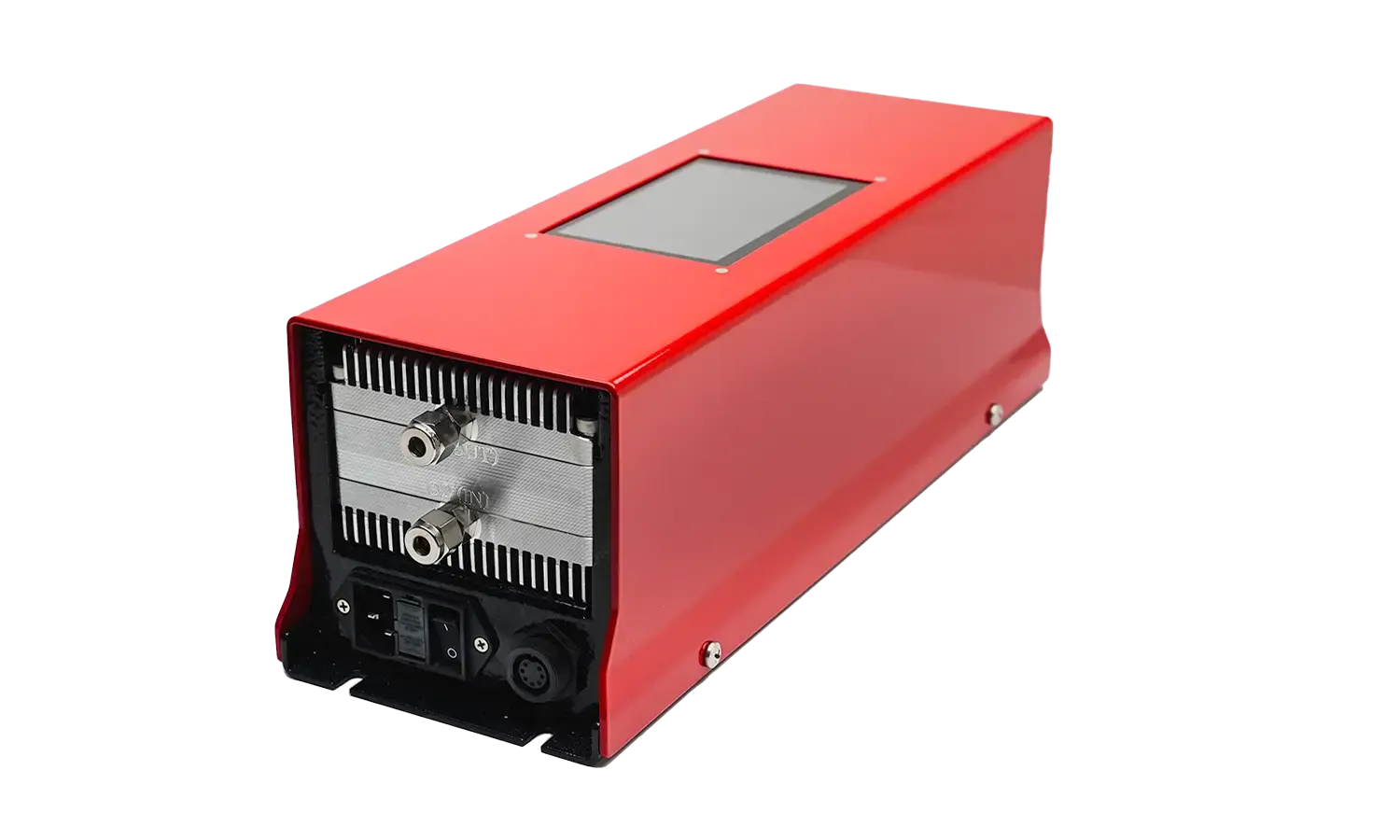
NANO
Click to see aspects

ATLAS
Click to see aspects
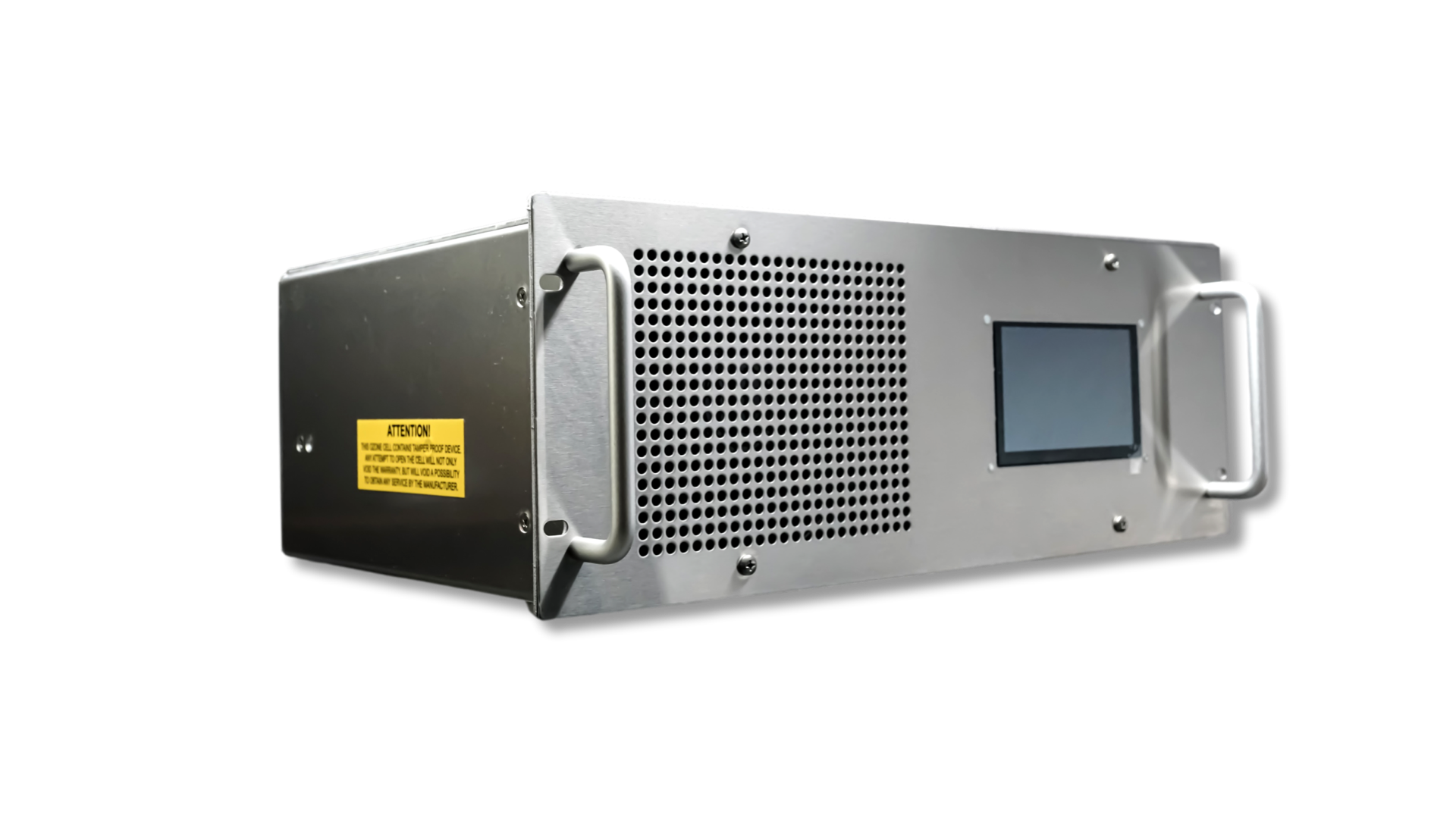
TITAN
Click to see aspects
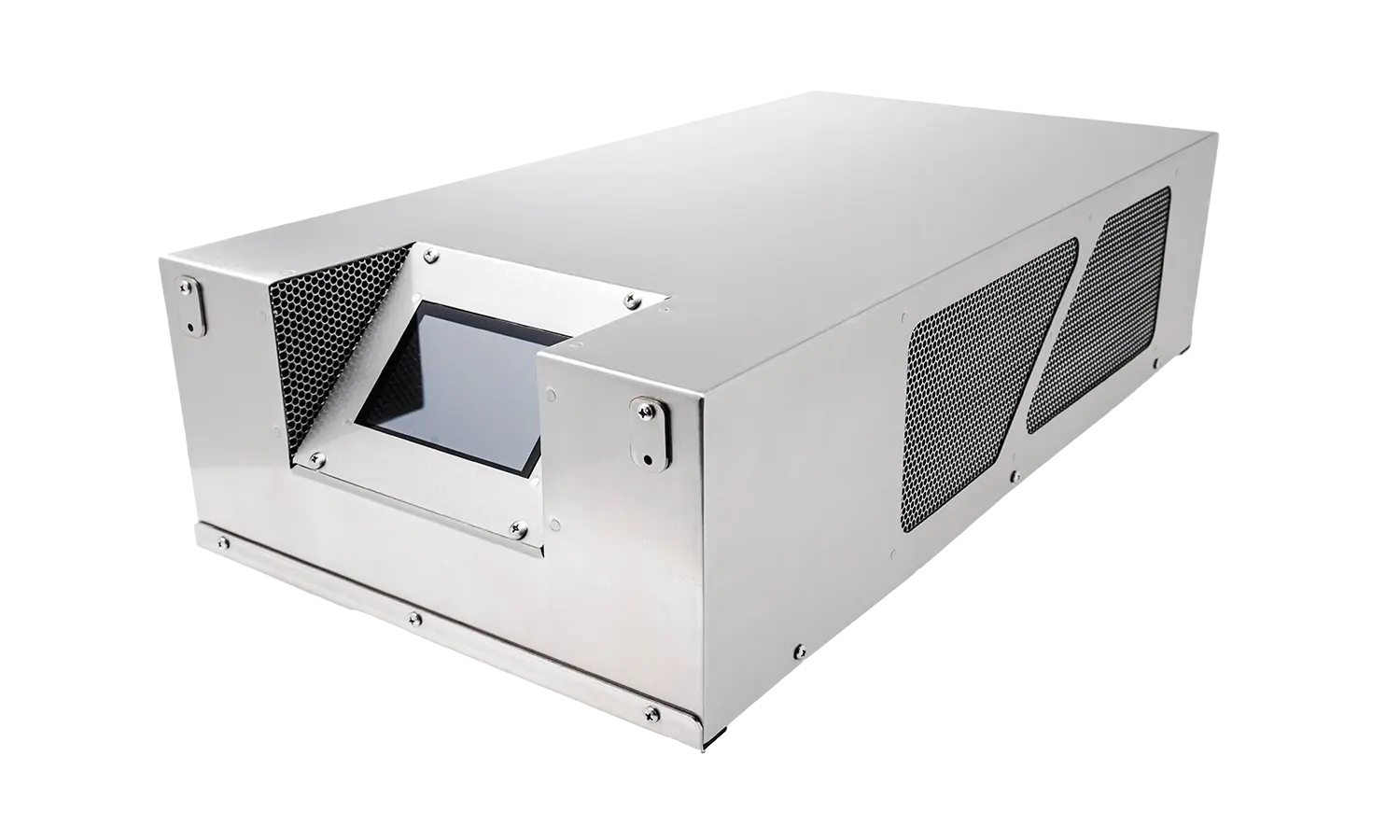
MAGNUM

