
Share This Story, Choose Your Platform!
What Is Ozone Water Treatment and How Does It Work in Real-World Applications?
Ozone (O₃) is widely used in water treatment for both disinfection and oxidation. However, in practical field applications, many ozone systems fail to deliver measurable dissolved ozone due to insufficient generator sizing, poor mass transfer, or elevated water temperature and pH.
Understanding how ozone treatment works in real-world systems — rather than under laboratory conditions — is essential when designing effective ozone water treatment processes for applications such as:
- Commercial laundry
- Drinking water treatment
- Process water reuse
- Cooling tower disinfection
- RO permeate post-treatment
- Industrial wastewater oxidation
How Ozone Water Treatment Works
Ozone is introduced into water as a gas using an injection method such as a venturi injector.
Once transferred into the liquid phase, ozone reacts rapidly with:
- Bacteria
- Viruses
- Organic matter
- Iron and manganese
- Hydrogen sulfide
- Other oxidizable compounds
These reactions:
- Inactivate microorganisms
- Break down organic contaminants
- Reduce color and odor
- Improve overall water quality
Unlike chlorine, ozone decomposes back into oxygen after treatment and does not leave harmful disinfection by-products such as trihalomethanes (THMs).
Why Some Ozone Water Treatment Systems Do Not Produce Dissolved Ozone
In many installations, operators report detecting ozone odor at the injection point while dissolved ozone measurements downstream remain negligible.
This typically occurs when:
- The generator output is undersized relative to flow
- Water temperature exceeds 20–25°C
- Organic load increases ozone demand
- High pH accelerates ozone decomposition
- Contact time is insufficient
In such cases, ozone reacts immediately with oxidizable compounds and never accumulates as a measurable residual in water.
This is one of the most common causes of ineffective ozone treatment in commercial laundry and industrial process water systems.
The Importance of Correct Ozone Generator Sizing
The required ozone generator capacity depends on:
- Water flow rate
- Target ozone dosage
- Mass transfer efficiency
- Temperature
- Ozone demand of the water matrix
Theoretical ozone production can be estimated using the following equation:
Required Ozone Production (mg/hr)=Flow Rate (GPM)×3.78×60×Target Dose (mg/L)
However, this calculation assumes ideal laboratory conditions and does not account for real-world mass transfer losses or ozone demand.
In practice, the generator output must be increased to compensate for:
- Injection inefficiencies
- Elevated water temperature
- Dissolved organic carbon (DOC)
- Rapid ozone decomposition at high pH
For example, in RO permeate systems operating at pH 8.8–9.0, maintaining a measurable dissolved ozone residual may require significantly higher generator capacity.
How to Calculate Ozone Generator Capacity for Water Treatment Applications
Need Assistance Designing an Ozone Water Treatment System?
Selecting the correct ozone generator capacity depends on multiple factors including water flow rate, target ozone dosage, temperature, pH, and overall ozone demand.
Our technical team can assist you in determining the appropriate generator size and system configuration for your specific application.
Click to see aspects
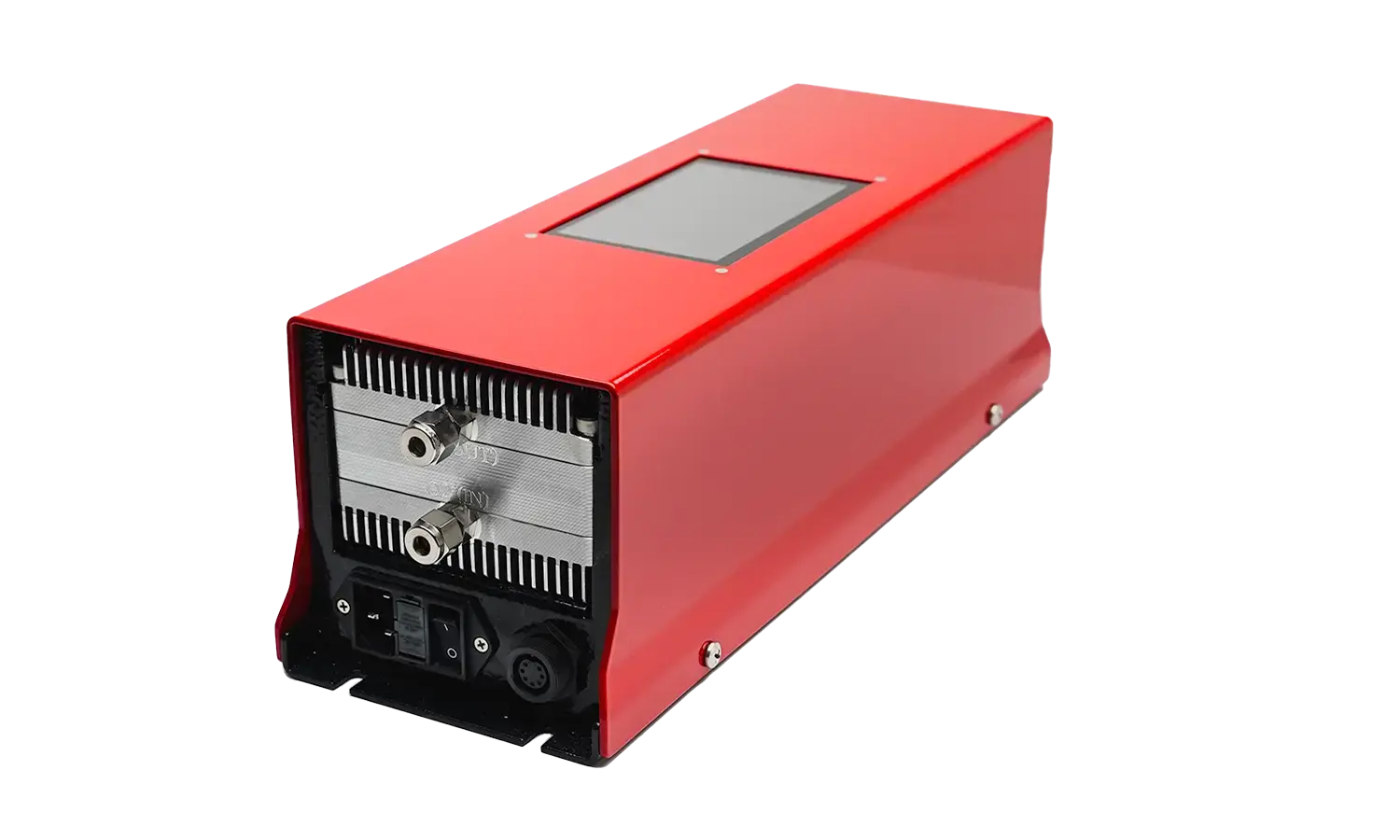
NANO
Click to see aspects
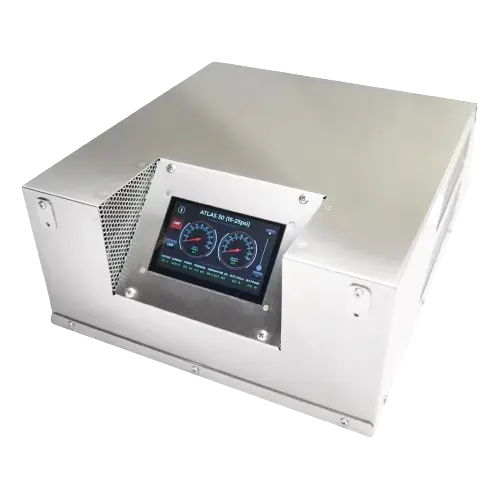
ATLAS
Click to see aspects
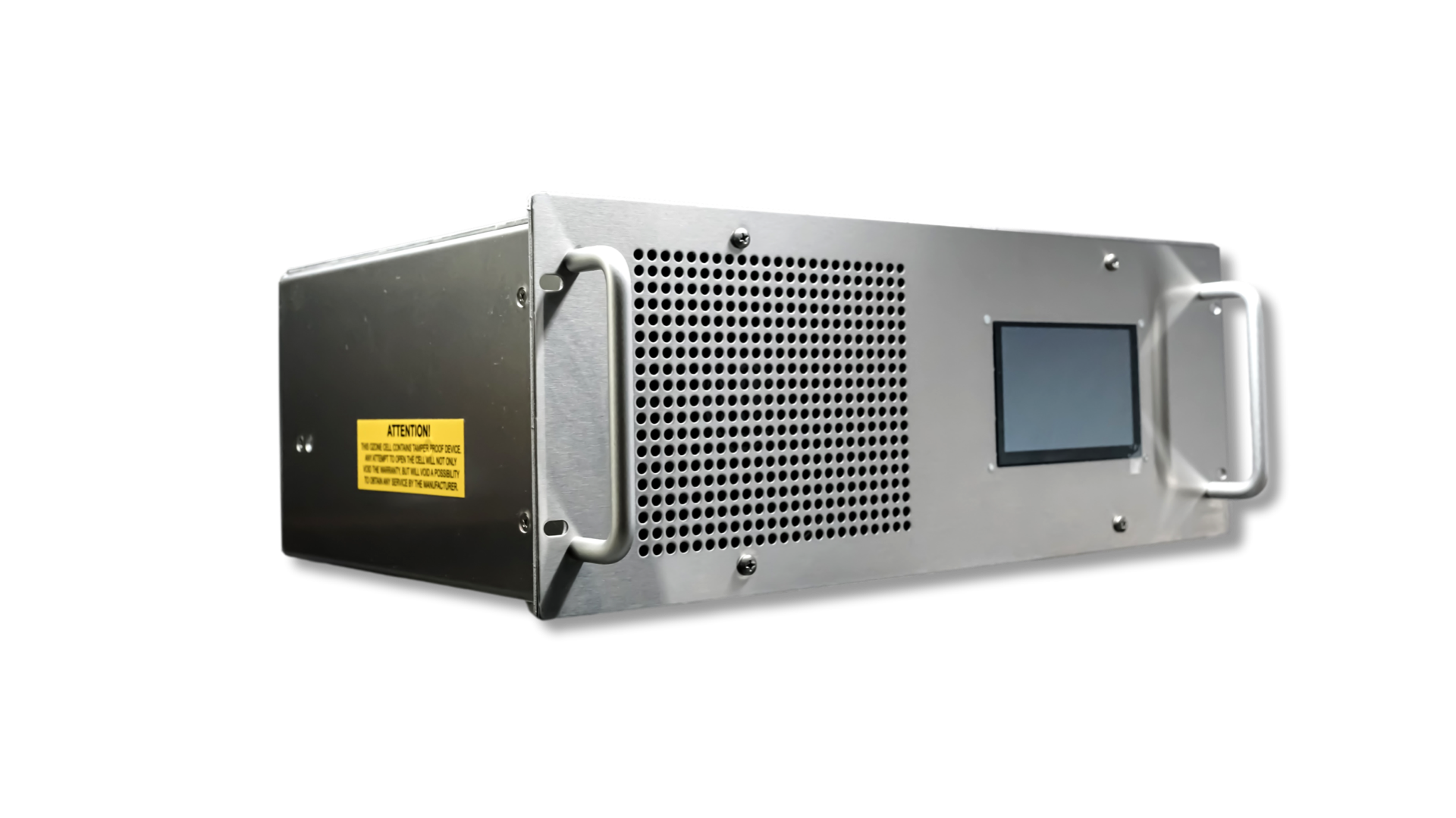
TITAN
Click to see aspects
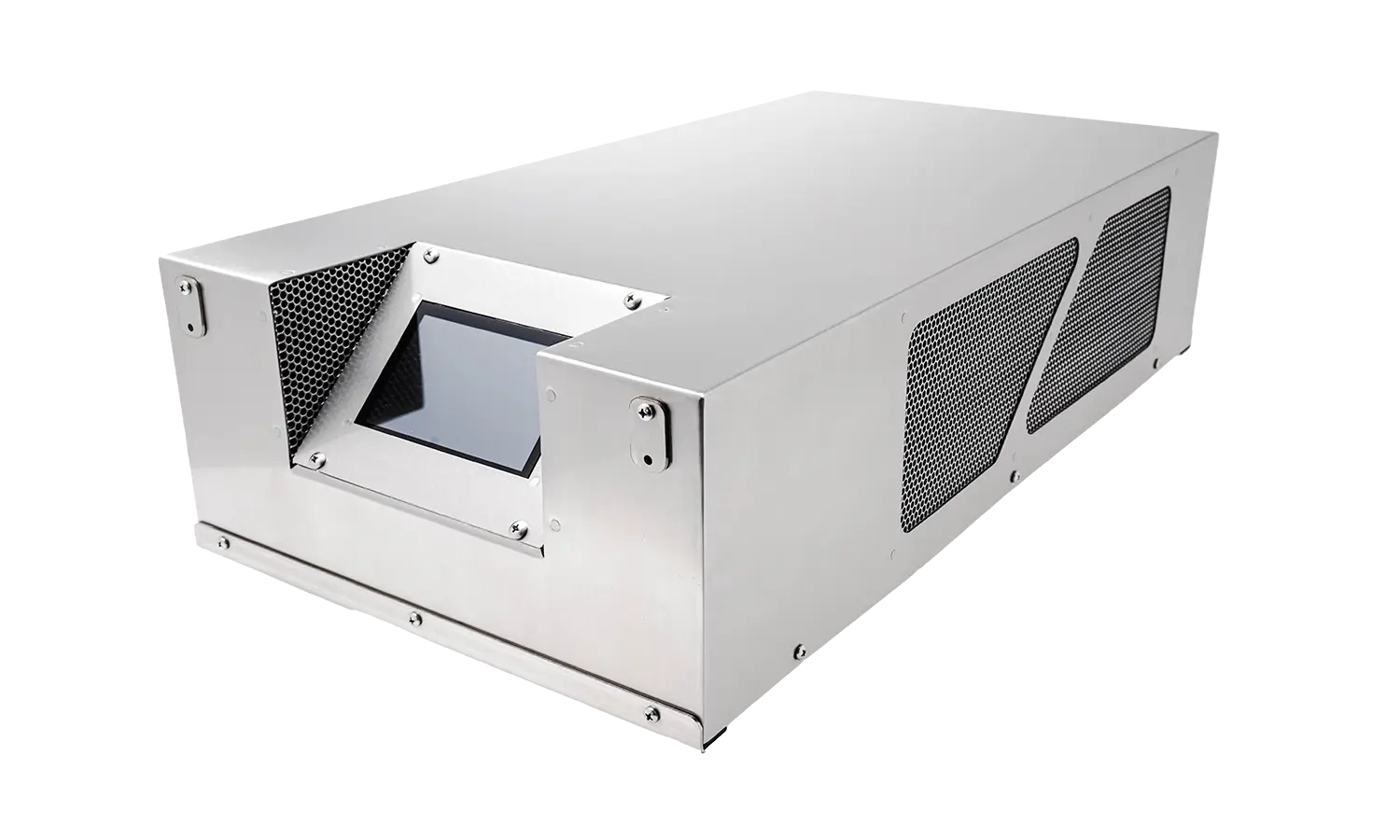
MAGNUM

